The Texas coast in November offers a spectacle that few other places can match: a gathering of wading birds and shorebirds that transforms shallow wetlands into living galleries of color, form, and specialized adaptation. During a recent visit to Leonabelle Turnbull Birding Center in Port Aransas, I witnessed this remarkable diversity firsthand.
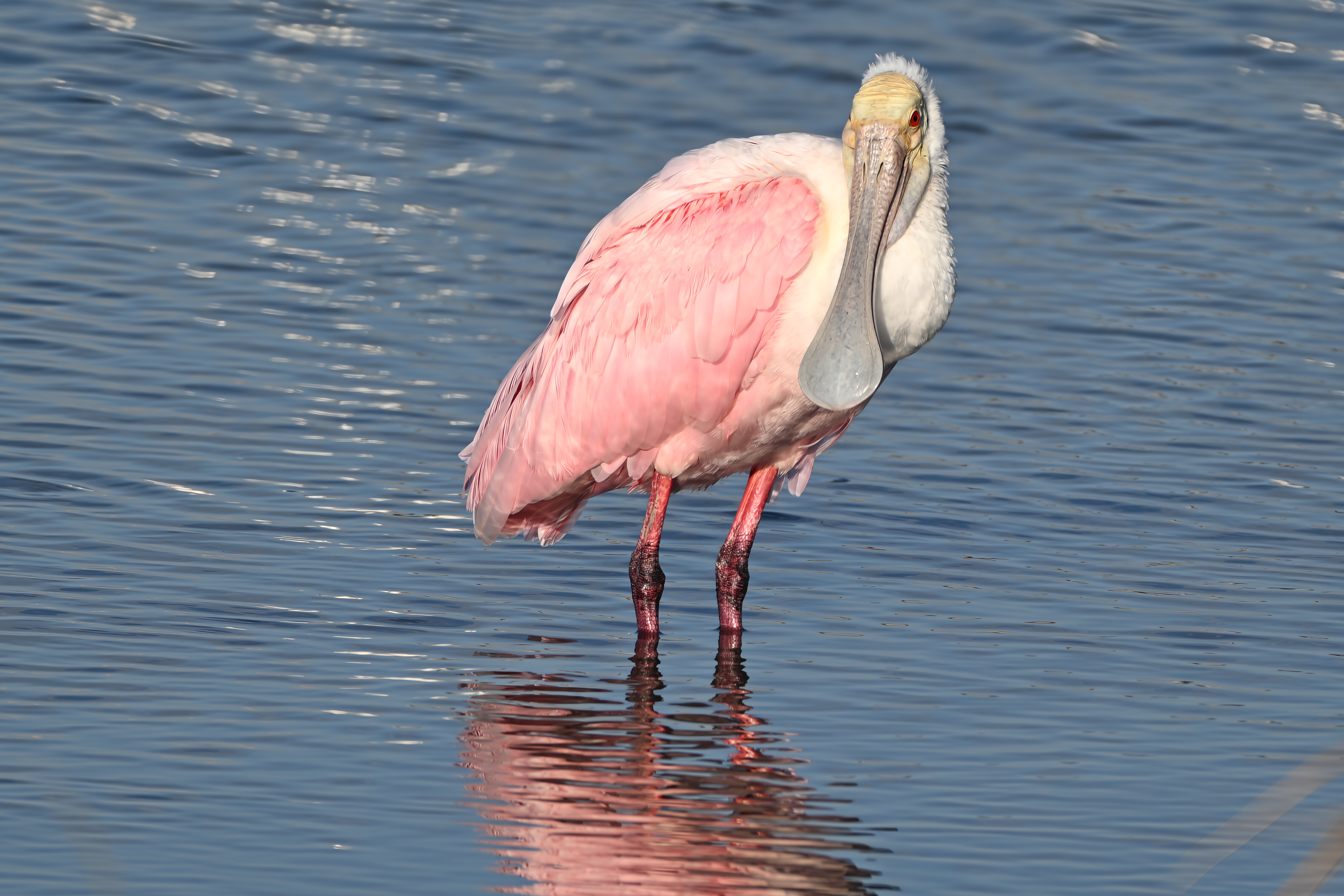
What strikes you immediately is the pink. Not the pale pink of a sunset, but the vivid, almost neon pink of birds that have literally become what they eat. The Roseate Spoonbill, with its extraordinary spatula-shaped bill, sweeps through shallow water in deliberate side-to-side arcs, filtering out small fish and crustaceans. That distinctive pink coloration comes directly from carotenoid pigments in their prey — the same compounds that color shrimp and flamingos.
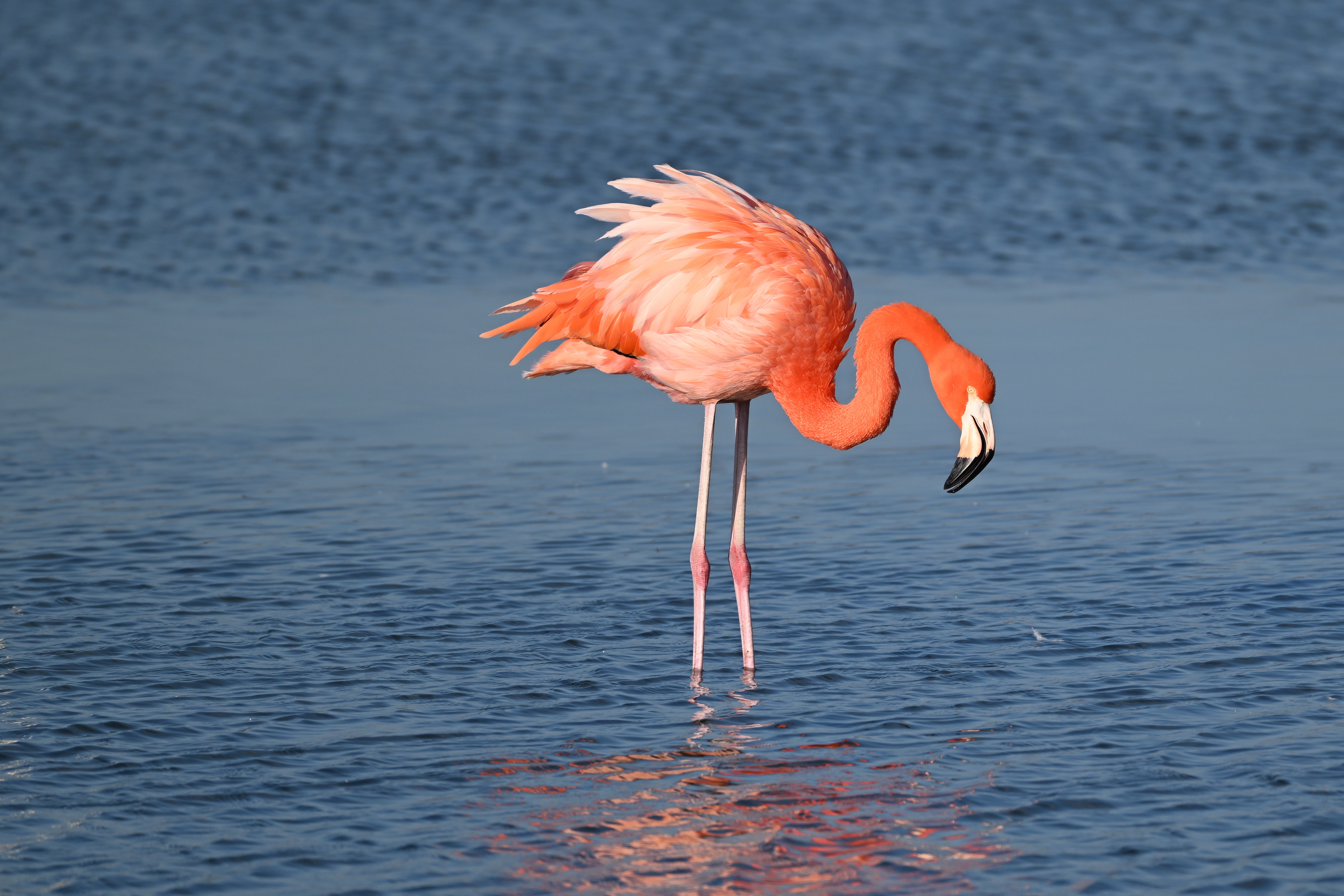
Speaking of flamingos, seeing an American Flamingo in Texas in November is one of those moments that stops you in your tracks. Are they wayward travelers blown off course, or escapees from captivity? The debate continues among ornithologists, but wild flamingos do occasionally wander from their Caribbean and Yucatan breeding grounds to the Texas coast. Like the spoonbills, flamingos derive their vibrant color from their diet of algae and small crustaceans, which they filter through their remarkable downturned bills.
The mechanics of filter-feeding are mesmerizing to watch. Spoonbills sweep their sensitive bills through murky water, detecting prey by touch. Flamingos pump water through their bills using their tongues, trapping food particles with specialized lamellae. Both have evolved bills that are essentially biological sieves, each perfectly adapted to their preferred feeding strategy.
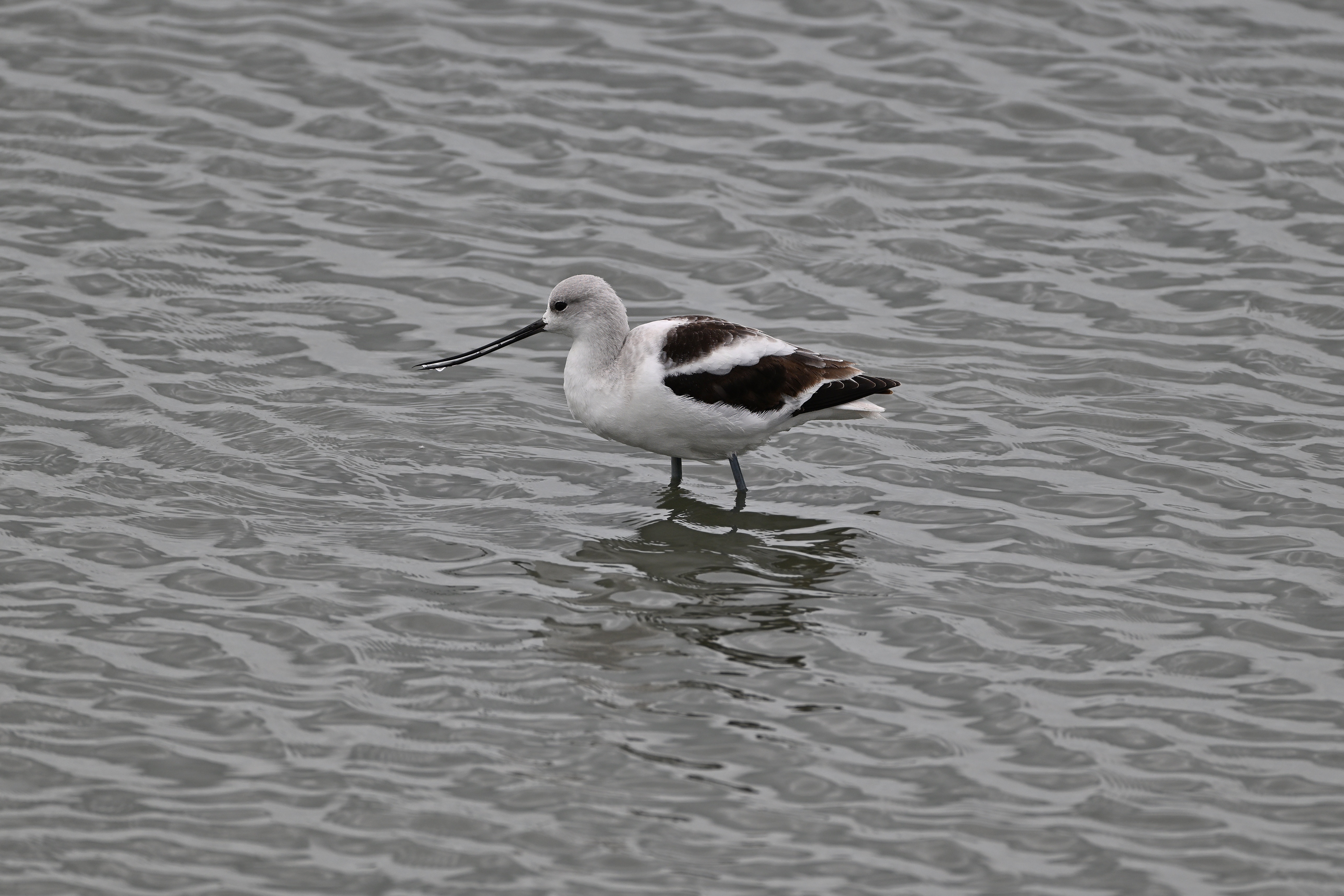
The American Avocet demonstrates yet another variation on the theme of specialized bills. Their distinctively upturned bills sweep through shallow water in the opposite motion of the spoonbill — scything side to side just below the surface to catch small invertebrates. This elegant bird, with its striking black-and-white plumage and impossibly long blue-gray legs, exemplifies the principle that form follows function in nature.
Long legs are the common currency of wading birds, and nowhere is this more dramatically illustrated than in the Black-necked Stilt. Their pink legs seem almost comically elongated, as if someone stretched them like taffy. These legs allow stilts to wade in deeper water than many competing species, accessing food sources others cannot reach. The Greater Yellowlegs, named for their bright yellow-orange legs, occupy a similar niche, running through shallow water in pursuit of small fish.
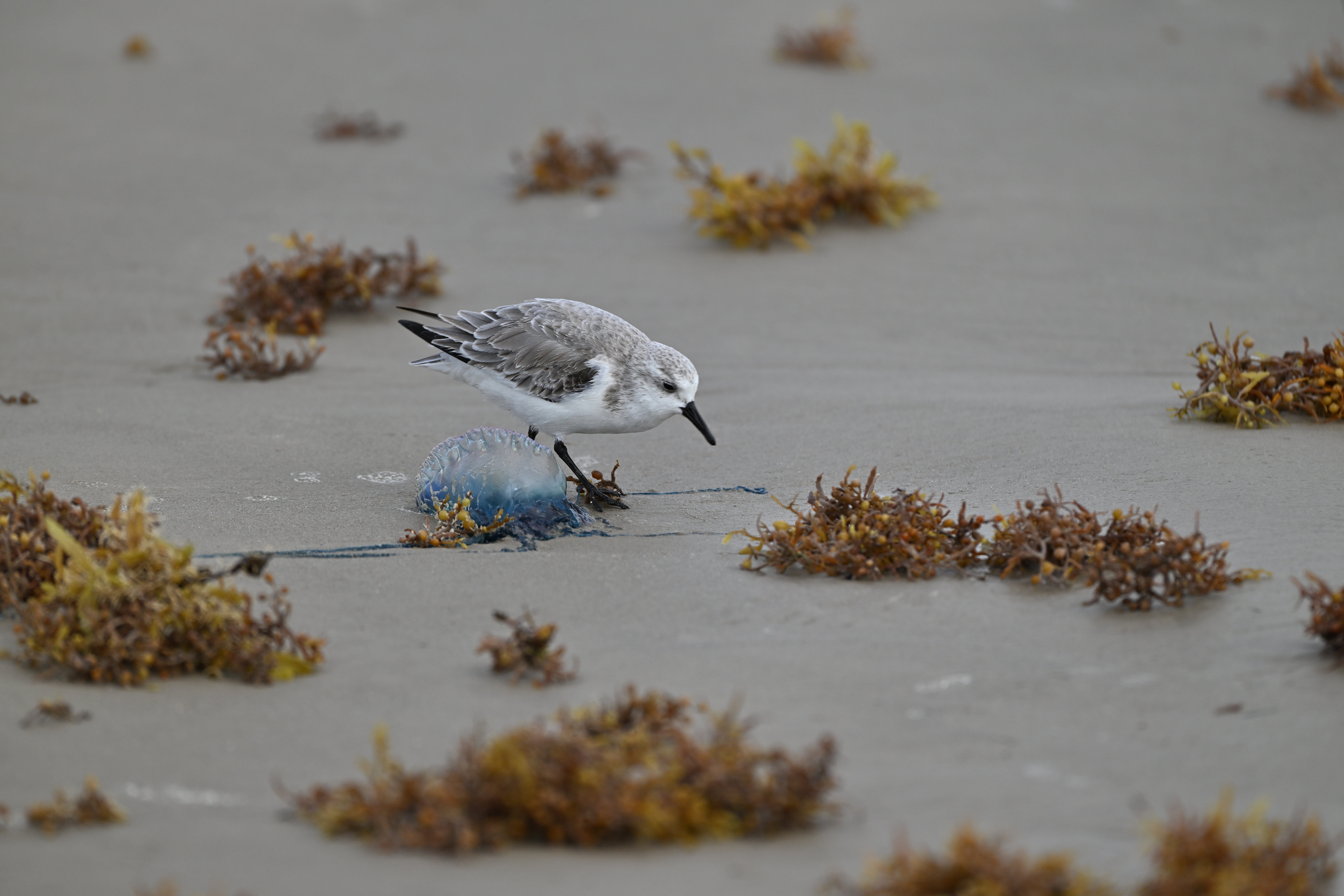
At the other end of the size spectrum are the Sanderlings, those tireless little shorebirds that chase the waves in synchronized flocks. Watch them for five minutes and you'll see nature's perpetual motion machine: sprint forward as the wave retreats, probe frantically in the wet sand, then scramble back as the next wave rolls in. They're searching for tiny invertebrates exposed by the receding water, and their rapid-fire feeding behavior is a joy to watch.
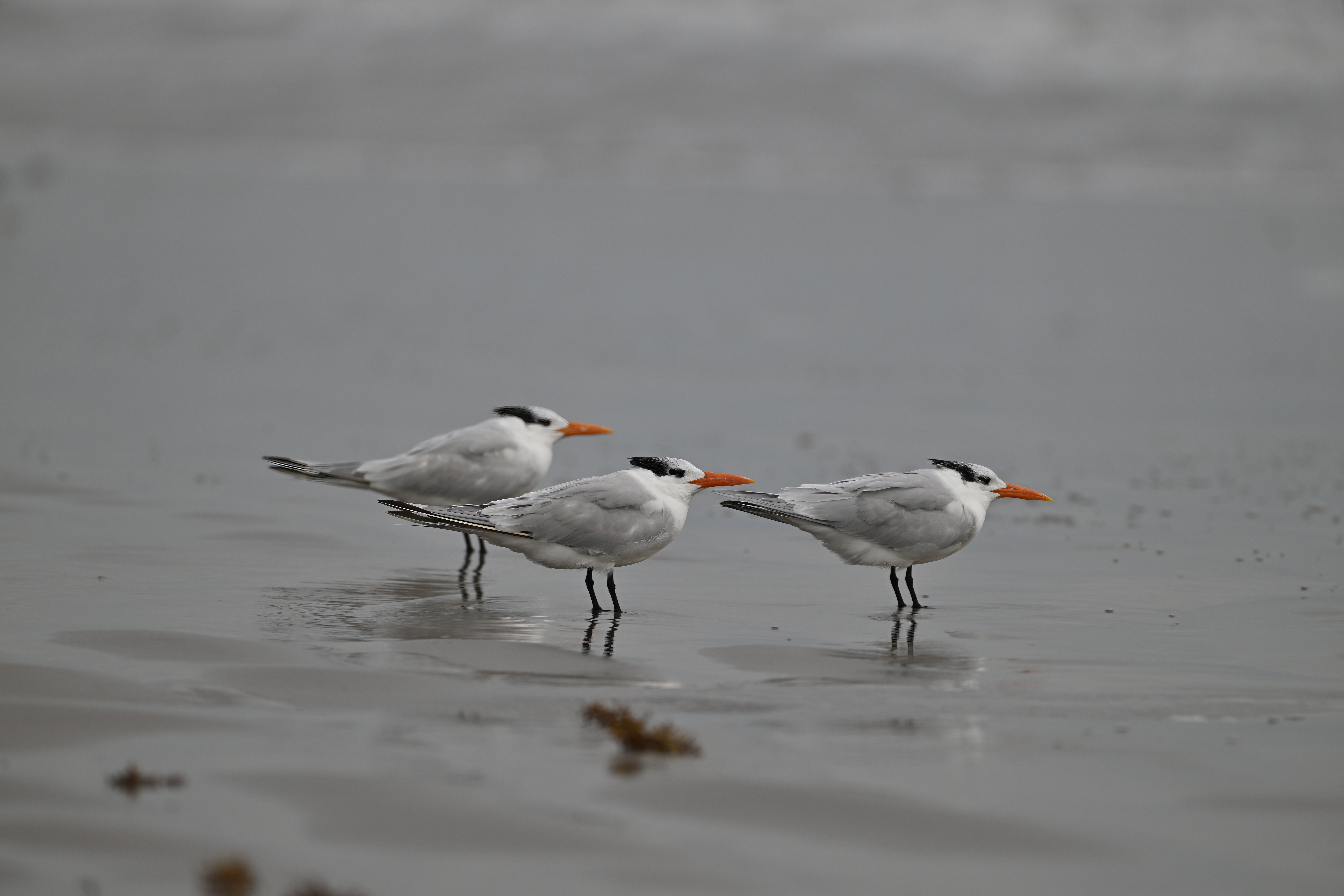
Overhead, Royal Terns patrol the shallows with raspy calls and distinctive orange bills. These elegant seabirds with their shaggy crests represent yet another feeding strategy: plunge-diving from heights of 20-30 feet to catch fish just below the surface. They hover briefly, assessing their target, then fold their wings and knife into the water with remarkable precision.
What makes coastal wetlands like Leonabelle Turnbull Birding Center so valuable is this incredible diversity of niches. Each species has carved out its own ecological space through specialized adaptations: upturned bills or downturned, long legs or short, sifting or probing, diving or wading. The result is a community where dozens of species can coexist in the same small stretch of shoreline, each exploiting different food sources at different depths with different techniques.
November is an ideal time to witness this diversity on the Texas coast. Migration is in full swing, with winter residents arriving from the north joining year-round residents. The weather is comfortable, the mosquitoes are manageable, and the light is perfect for photography. If you've never experienced the pageantry of coastal wading birds, there's no better time than now to head to the shore.